Published:
2026-09-08
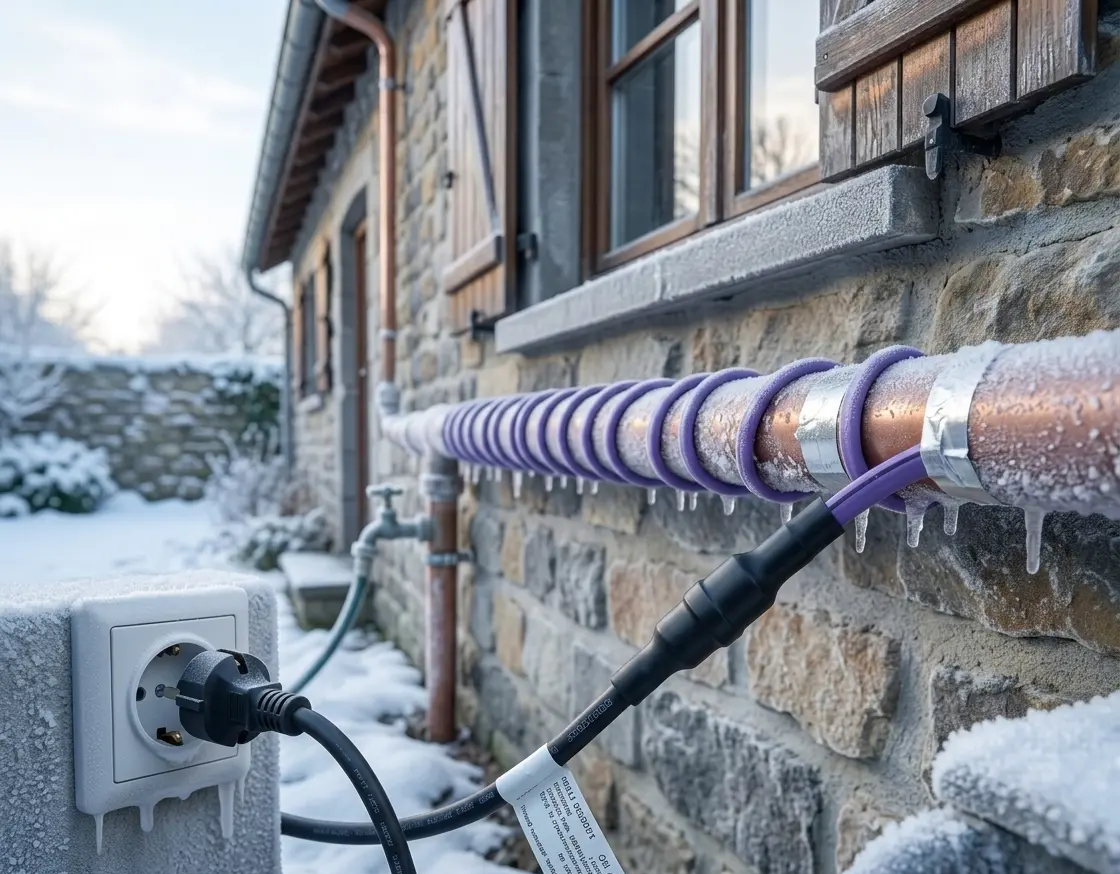
A common problem in Lithuania in winter is freezing water pipes and gutters. When water in a pipe freezes, it expands and can damage or even completely burst the pipe. Therefore, more and more people are choosing a reliable solution - heating cable against freezing.
The heating cable helps maintain a positive temperature inside or outside the pipe and protects the plumbing system from freezing even in severe frosts.
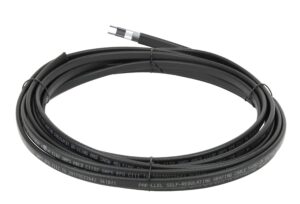
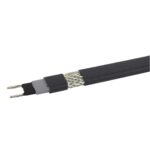
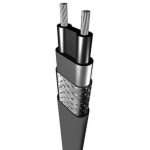
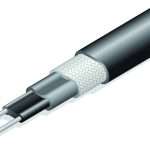
Heating cable for pipes – this is a special electrical cable designed to protect water pipes from freezing.
It is installed:
The cable radiates heat and maintains the temperature above freezing.
The most commonly used is a self-regulating heating cable, which automatically adapts to the ambient temperature and consumes only as much electricity as needed.
When choosing a heating cable for plumbing, it is important to consider several things:
The most popular choice is self-regulating heating cablebecause he:
Such cables are perfect for both plumbing pipes and roof gutters and downpipes.
Most commonly used:
Installation is quite simple. Basic steps:
If the power of the selected self-regulating cable is greater than several hundred watts, we recommend using thermostatfor the system to function effectively.
Electricity consumption depends on:
For example, a 10-meter self-regulating cable usually consumes only a few kWh per day, making it a relatively economical solution.
Although a self-regulating cable can operate without additional control, it is often recommended to use thermostat for heating cable.
The thermostat allows:
Some thermostats also have moisture sensors, so they only turn on the gutter heating system when there is a risk of snow or ice forming.
Yes, the heating cable maintains a positive temperature in the pipe and protects the plumbing system from freezing even in severe frosts.
Most often, the cable is installed on the outside of the pipe and covered with thermal insulation. In some cases, it can also be installed inside the pipe.
If the cable is used inside a pipe, then we recommend Pipeheat self-regulating heating cablebecause it automatically adjusts the heating power and saves electricity.
No. A self-regulating cable only uses as much energy as is needed to maintain the temperature.
Yes, but it is important to follow the manufacturer's instructions and ensure proper insulation.